Affiliate disclosure: As an Amazon Associate, Camping Gear Pros may earn from qualifying purchases at no extra cost to you.
U.S. National Park Service: Preserving America’s Natural Treasures
The U.S. National Park Service is an agency of the federal government tasked with managing and preserving national parks, monuments, and other protected areas throughout the United States. With a mission to “preserve unimpaired the natural and cultural resources and values of the national park system for the enjoyment, education, and inspiration of this and future generations,” the U.S. National Park Service plays a crucial role in American history and culture.Importance of U.S. National Park Service to American History and Culture
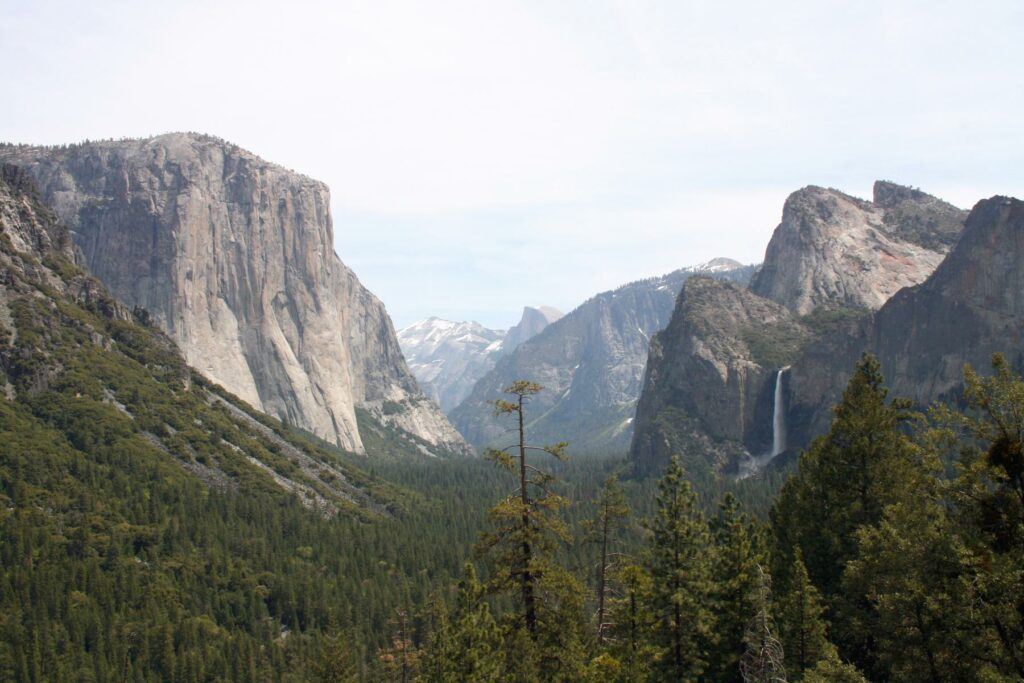
The U.S. National Park Service was established in 1916, under President Woodrow Wilson, with the signing of the Organic Act. This legislation created the National Park Service and placed it under the Department of the Interior. The act was designed to unify and oversee the management of national parks and monuments that had been established by Congress and presidential proclamations over the preceding decades. Since its inception, the U.S. National Park Service has grown to encompass over 400 national parks and monuments, covering over 84 million acres of land across the United States. The agency is responsible for preserving and protecting some of America’s most treasured natural and cultural resources, including Yosemite National Park, the Grand Canyon, and the Statue of Liberty.What You Can Expect From This Article
In this article, we will explore the history and current state of the U.S. National Park Service, including its mission, programs, and activities. We will also examine the challenges and concerns facing the agency, and discuss ways in which readers can support the U.S. National Park Service and its mission.History of U.S. National Park Service
The history of the U.S. National Park Service is rich and varied, spanning over a century of American history. In 1916, the National Park Service was established with the signing of the Organic Act by President Woodrow Wilson. The act created the National Park Service and placed it under the Department of the Interior. The aim of the act was to conserve the natural and cultural resources of the national parks and monuments, and to provide for their enjoyment by the public. Throughout its history, the National Park Service has been led by many notable figures. According to NPS.gov, Stephen Mather served as the first director of the National Park Service from 1916 to 1933. He oversaw the development of many of the parks and monuments that are now part of the National Park System. Horace Albright served as director of the National Park Service from 1933 to 1951, during a period of expansion and development, including the establishment of national parks in Alaska and the Virgin Islands. In the 1960s, the National Park Service played a crucial role in the civil rights movement. According to USA.gov, the agency provided support and protection to protesters and activists who staged demonstrations and marches in national parks and other public spaces. During the 1970s and 1980s, the National Park Service faced funding and staffing challenges, leading to a decline in the quality of visitor services and maintenance of park facilities. In the 1990s and 2000s, the National Park Service focused on expanding its programs and activities, including educational and interpretive programs, volunteer and service programs, and conservation and preservation programs. According to NPS.gov, the National Park Service has faced ongoing challenges related to overcrowding and visitor management, environmental threats, and funding and staffing issues since the 2010s. Today, the National Park Service oversees over 400 national parks and monuments, covering over 84 million acres of land across the United States. The agency is responsible for preserving and protecting some of America’s most treasured natural and cultural resources, and providing educational and recreational opportunities for visitors from around the world. Despite ongoing challenges, the National Park Service remains committed to its mission of preserving America’s natural treasures for future generations.U.S. National Park Service Facts and Figures
The U.S. National Park Service manages a vast network of national parks and monuments, encompassing millions of acres of land and attracting millions of visitors each year. In this section, we will explore some of the key facts and figures related to the U.S. National Park Service.Number of National Parks Under U.S. National Park Service
According to NPS.gov, the U.S. National Park Service manages 63 national parks across the United States. These parks are located in 29 states and two U.S. territories, and cover over 84 million acres of land.Total Area of National Parks Managed by U.S. National Park Service
The national parks managed by the U.S. National Park Service cover a vast amount of land across the United States. According to NPS.gov, the total area of national parks managed by the U.S. National Park Service is over 84 million acres, an area larger than the state of Colorado.Number of Visitors to National Parks in the U.S. Annually
National parks managed by the U.S. National Park Service are a popular destination for visitors from around the world. According to NPS.gov, the number of visitors to national parks in the U.S. annually is over 300 million. This includes visitors to all national parks, national monuments, and other protected areas managed by the U.S. National Park Service.Economic Impact of U.S. National Park Service
National parks managed by the U.S. National Park Service have a significant economic impact on the communities surrounding them. According to a report by the National Park Service, in 2019, national parks supported over 330,000 jobs and contributed over $40 billion to the U.S. economy. Additionally, for every dollar invested in the National Park Service, there is a return of $10 to the U.S. economy, making national parks a valuable resource for the country.
U.S. National Park Service Programs and Activities
The U.S. National Park Service offers a wide range of programs and activities for visitors to national parks and monuments across the United States. In this section, we will explore some of the key programs and activities offered by the U.S. National Park Service.Educational and Interpretive Programs
The U.S. National Park Service offers a variety of educational and interpretive programs to help visitors learn more about the natural and cultural resources of national parks and monuments. According to NPS.gov, these programs include guided tours, exhibits, ranger-led programs, and educational materials and resources for teachers and students.Volunteer and Service Programs
The U.S. National Park Service relies on the support of volunteers and service organizations to help maintain and protect national parks and monuments. According to NPS.gov, the agency offers a variety of volunteer and service programs, including park clean-up days, trail maintenance, and research and conservation projects.Conservation and Preservation Programs
The U.S. National Park Service is committed to preserving and protecting the natural and cultural resources of national parks and monuments for future generations. According to NPS.gov, the agency offers a variety of conservation and preservation programs, including habitat restoration, invasive species management, and cultural resource preservation.Recreational Activities
Visitors to national parks and monuments managed by the U.S. National Park Service can enjoy a wide range of recreational activities, including hiking, camping, wildlife viewing, and water sports. According to NPS.gov, the agency encourages visitors to “find their park” and discover the many recreational opportunities available in national parks across the country.Special Events and Celebrations
The U.S. National Park Service hosts a variety of special events and celebrations throughout the year, including National Park Week, National Public Lands Day, and the annual Cherry Blossom Festival in Washington, D.C. These events provide visitors with the opportunity to connect with national parks and monuments in new and exciting ways.