Affiliate disclosure: As an Amazon Associate, Camping Gear Pros may earn from qualifying purchases at no extra cost to you.
Understanding the Importance of Outdoor Survival Gear Essentials
When venturing into the great outdoors, having the right gear can mean the difference between a safe and enjoyable adventure or a potentially dangerous situation. That’s why it’s crucial to understand the importance of outdoor survival gear essentials. In this section, we will explore the significance of being well-prepared and highlight the need for proper education and training.Being Prepared for the Unexpected
Nature can be unpredictable, and outdoor enthusiasts must be ready for any situation. Whether it’s a sudden change in weather conditions, getting lost in unfamiliar terrain, or encountering wildlife, having the right gear can provide a sense of security and increase your chances of survival. By equipping yourself with the necessary tools, you’ll be better prepared to handle unexpected challenges that may arise during your outdoor excursions.Considering the Scenario
Each outdoor adventure presents unique challenges and requirements. The gear you need for a day hike in a local park may differ from what you would pack for an extended backpacking trip in the wilderness. It’s essential to consider the specific scenario you’ll be facing when choosing your gear. Factors such as location, climate, and the duration of your trip should all be taken into account. By tailoring your gear to the specific demands of your adventure, you can ensure that you are adequately prepared for the challenges ahead.The Importance of Education and Training
Even the best gear is useless without the knowledge and skills to use it effectively. Before embarking on any outdoor adventure, it’s highly recommended to seek education and training in wilderness survival. By taking classes from experienced instructors, you can learn valuable techniques and gain the confidence needed to handle various situations. The Wilderness College, for example, offers courses and resources to help outdoor enthusiasts enhance their survival skills[^1]. Remember, when it comes to outdoor survival, knowledge is power. Investing in education and training will not only make you more proficient in using your gear but also provide you with the essential skills to navigate and survive in the wilderness. [^1]: Wilderness College – Survival Gear ListSurvival Gear Recommendations from Wilderness Experts
When it comes to outdoor survival gear essentials, it’s invaluable to look to the advice and recommendations of wilderness experts. In this section, we will explore gear suggestions from reputable sources such as Wilderness College and Brunton. These recommendations will help ensure that you have the necessary tools to navigate and thrive in the wilderness.Wilderness College’s Recommended Gear List
According to the experts at Wilderness College[^1], creating a comprehensive survival gear list involves considering the specific scenario and ensuring familiarity with all items. Their recommendations are tailored for both short and extended survival situations. Here are some key items they suggest:- Map: A topographic map of the area you’ll be exploring is essential for navigation and planning.
- First-Aid Kit: A well-stocked first-aid kit is crucial for treating injuries and addressing medical emergencies.
- Fire Starter: Reliable fire starters, such as waterproof matches or a ferrocerium rod, are vital for warmth, cooking, and signaling for help.
- Water Purification System: Having a reliable water purification system, such as a portable water filter or purification tablets, ensures access to clean drinking water.
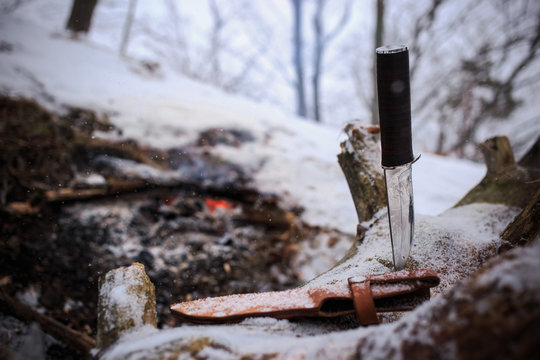
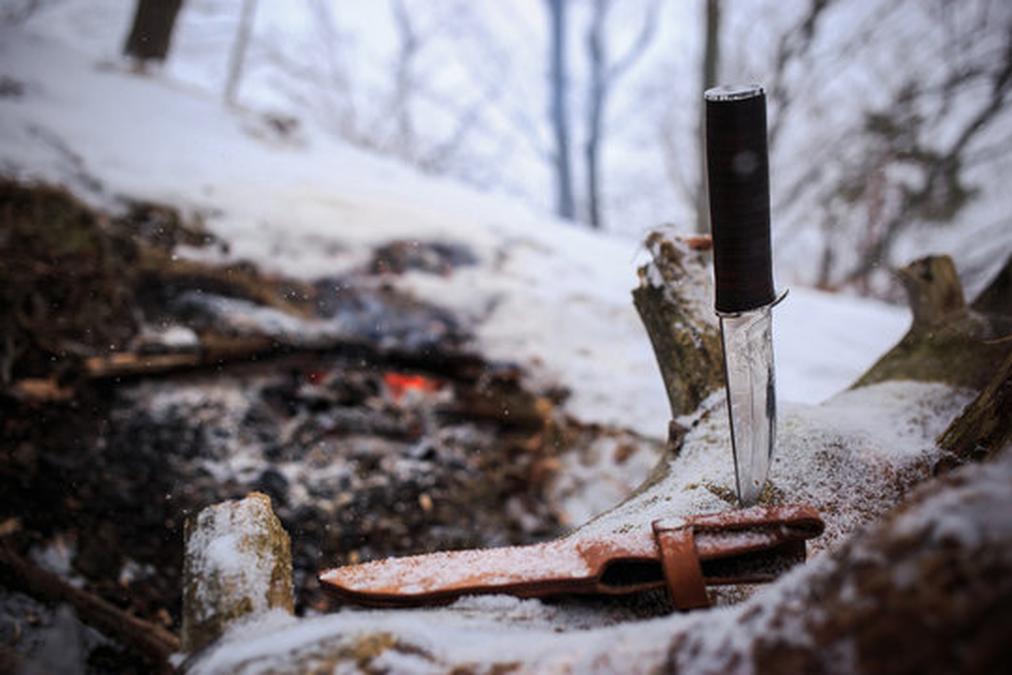
- Knife: A sturdy and versatile knife is a must-have tool for various tasks, including shelter building, food preparation, and self-defense.
- Cordage: Strong and lightweight cordage, such as paracord, can be used for setting up shelters, creating traps, and many other purposes.
- Fishing Gear: Including a compact fishing kit can provide an additional food source in survival situations near bodies of water.
- Flashlight: A reliable flashlight or headlamp with extra batteries helps navigate in low-light conditions and can be used for signaling.
- Solar Blanket: A lightweight, compact solar blanket can provide insulation and help retain body heat in emergency situations.
Wilderness Survival Kit Essentials from Brunton
Brunton, a trusted name in outdoor gear, also offers valuable insights into creating a wilderness survival kit[^2]. Their recommendations emphasize the importance of being prepared for unexpected situations. Here are some key items they suggest:- Navigation Tools: In addition to a map, include a compass and a GPS device to help guide you during your outdoor adventures.
- First-Aid Essentials: Ensure your first-aid kit is well-stocked with bandages, antiseptic wipes, pain relievers, and other necessary medical supplies.
- Fire-Starting Tools: Along with waterproof matches or a lighter, consider including a reliable fire starter like a magnesium fire starter or a fire striker.
- Water Filtration System: Include a water filter or water purification tablets to ensure access to safe drinking water.
- Knife or Multi-Tool: A versatile tool like a survival knife or multi-tool can be invaluable for various tasks.
- Cordage and Duct Tape: Pack some paracord or durable cordage and a roll of duct tape for repairs, shelter building, and other purposes.
- Fishing Kit: Consider including fishing gear like hooks, fishing line, and small lures to supplement your food supplies.
- Flashlight or Headlamp: A reliable light source is essential for navigating in the dark and signaling for help.
Survival Tips from the Experts at The Survival University
When it comes to outdoor survival, the experts at The Survival University[^3] in Colorado have valuable insights to share. In this section, we will explore their survival tips and recommended gear list. Whether you’re a seasoned adventurer or new to the wilderness, their advice can help enhance your preparedness and survival skills.Dressing Appropriately for Cold Weather
When venturing into cold climates, it’s crucial to dress appropriately to protect yourself from the elements. The Survival University suggests the following:- Layering: Dress in multiple layers to trap heat and regulate body temperature. This includes a base layer, insulating layer, and outer shell.
- Insulation: Choose insulating materials like fleece or wool to keep you warm even when wet.
- Protective Outerwear: Wear a waterproof and windproof outer shell to shield yourself from rain, snow, and wind.
- Head and Hand Protection: Don’t forget to wear a hat, gloves, and warm socks to protect extremities susceptible to frostbite.
Sun Protection and Eyewear
It’s important to protect yourself from the sun’s harmful rays, even in the wilderness. The Survival University recommends the following:- Sunscreen: Apply sunscreen with a high SPF to exposed skin, even on cloudy days.
- UV Protective Sunglasses: Wear sunglasses that provide UV protection to shield your eyes from harmful rays and glare.
The Survival University’s Flexible Recommended Gear List
The Survival University understands that not everyone has access to an extensive array of outdoor gear. Their flexible approach to gear allows attendees to bring as much or as little as they have. Here are some examples of gear they suggest:- Fire Starter: Carry a reliable fire starter to help with warmth, cooking, and signaling for help.
- Water Container: Ensure you have a container for carrying and storing water.
- Knife or Multi-Tool: Pack a versatile tool for various tasks such as shelter building and food preparation.
- Illumination: Include a reliable flashlight or headlamp with extra batteries.
- First Aid Kit: Bring a well-stocked first aid kit to address any medical emergencies.
Building Your Personalized Survival Kit
Creating a personalized survival kit is essential to ensure you have the necessary tools and supplies tailored to your specific needs. In this section, we will explore a checklist for building your own survival kit, taking into consideration various factors such as location, medical conditions, and personal preferences.Basic Supplies for Your Survival Kit
Start by including the following basic supplies in your survival kit:- Tools: Pack a multi-tool or a sturdy knife that can serve multiple purposes.
- Illumination: Include a reliable flashlight or headlamp with extra batteries.
- Clean Water: Carry a water bottle or water bladder with a built-in filtration system.
- Cordage and Tape: Bring some paracord or durable cordage along with duct tape for various purposes.
- Fire-Starting Kit: Include waterproof matches, a lighter, or a fire starter for warmth, cooking, and signaling.
- First Aid Supplies: Pack a well-stocked first aid kit with bandages, antiseptic wipes, pain relievers, and any necessary medications.
- Rescue Signals: Include a whistle, signal mirror, or other signaling devices to attract attention in case of emergency.
Customizing Your Survival Kit
To personalize your survival kit, consider the following factors:- Location: Take into account the specific environment and terrain you’ll be exploring. If you’re heading into a cold climate, include additional cold-weather gear and insulation. For desert environments, pack extra water and sun protection.
- Medical Conditions: If you have any specific medical conditions, ensure you have the necessary medications and supplies to manage them. Consider including allergy medication, asthma inhalers, or any other required treatments.
- Self-Defense: Depending on the region and potential risks you may encounter, consider including personal defense items such as pepper spray or a personal alarm.
- Communication: In remote areas, it’s essential to have a reliable means of communication. Consider bringing a satellite phone, a two-way radio, or a personal locator beacon (PLB) to call for help if needed.
- Additional Items: Think about any additional items that may be relevant to your specific needs. This could include cash, extra clothing, emergency shelter, navigation tools, or specific gear for your planned activities (e.g., climbing equipment, fishing gear).
Choosing an Efficient Container
Selecting the right container for your survival kit is crucial. Look for a durable, waterproof, and lightweight container that can easily fit all your gear. Options include dry bags, waterproof containers, or sturdy backpacks with compartments to keep your items organized. Remember to regularly review and update your survival kit as needed. Check the expiration dates of perishable items, replace used supplies, and ensure that your gear is in good working condition.