Affiliate disclosure: As an Amazon Associate, Camping Gear Pros may earn from qualifying purchases at no extra cost to you.
Are you tired of lugging a heavy backpack on your travels? Do you dream of effortlessly gliding through airports and trekking up mountains without feeling weighed down? If you answered yes, then this blog post is for you. Join me on my journey towards lightweight bliss and discover how I transformed my backpacking experience. From struggling with heavy loads to finding the perfect balance between comfort and weight, I’ll share my tips and tricks for shedding unnecessary pounds from your backpack. Get ready to revolutionize the way you travel and embrace the freedom of lightweight backpacking.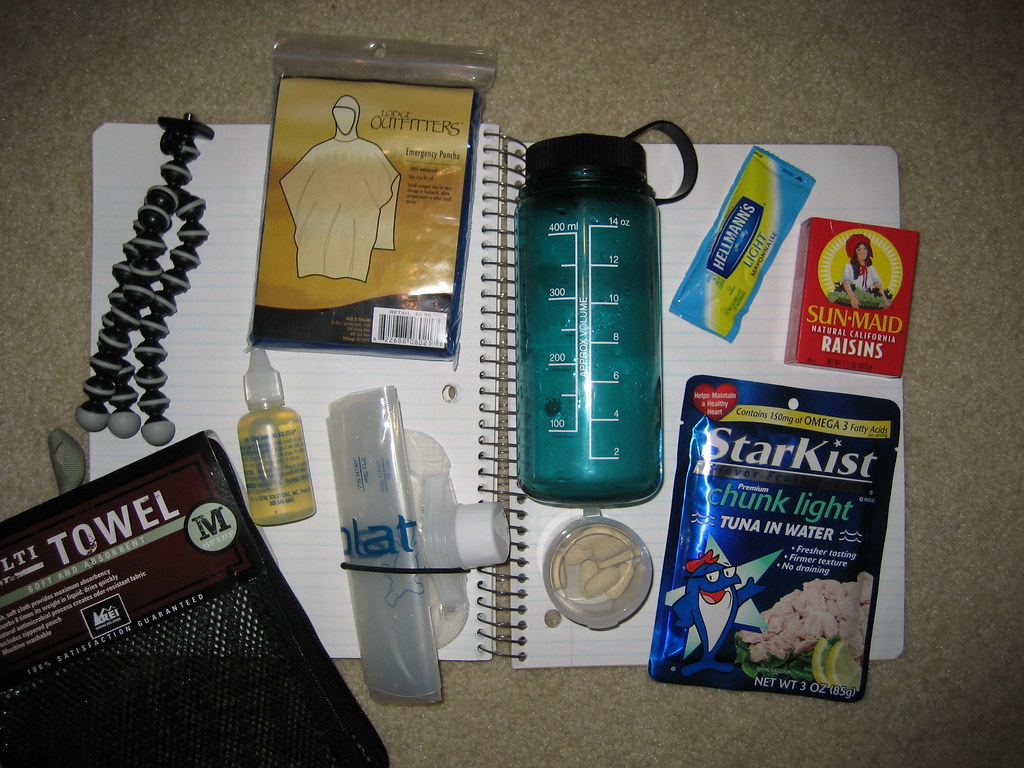
Introduction: My Experience with Heavy Backpacking
As a passionate backpacker, I used to carry everything I could possibly need on my trips. Heavy backpacking was something that never concerned me until one trip where my heavy load slowed me down significantly and left me feeling exhausted. After that experience, I decided to embrace the backpacking lightweight lifestyle and it has transformed the way I travel. Not only do I move faster and more comfortably with less weight on my back, but it also allows me to explore more remote areas without worrying about being weighed down. In this article, I will share with you some of the benefits of lightweight backpacking and how you can make your own transformations towards this fulfilling approach to traveling.
The Benefits of Lightweight Backpacking for Travelers
For years, I subscribed to the belief that more gear equaled a better backpacking experience. However, after lugging around heavy equipment on numerous trips, I realized that this philosophy couldn’t be further from the truth. Lightweight backpacking not only allows me to cover longer distances with ease, but also maximizes my enjoyment of nature by removing unnecessary distractions. The benefits of lightweight backpacking are vast and varied. For starters, it reduces your risk of injury by putting less strain on your joints and muscles. Additionally, carrying less weight means you can move faster along trails and tackle more challenging terrain without feeling bogged down. Furthermore, shedding excess gear means you’ll have more room in your pack for important items like food and water. In turn, this enables you to stay out in the wilderness for longer periods of time without having to make frequent resupplies. If you’re looking to elevate your next backpacking trip into a transcendental experience or just want an easier journey through the great outdoors, lightweight backpacking is definitely worth considering.Essential Gear for Lightweight Backpacking: A Comprehensive Guide
When it comes to lightweight backpacking, every ounce counts. Choosing the right gear can make a huge difference in the weight of your pack. Look for items made from lightweight materials such as cuben fiber, silnylon or titanium. For shelter, consider a lightweight tent or hammock system that uses trekking poles to set up, instead of carrying heavy tent poles. Investing in a high-quality sleeping bag and pad that are designed specifically for ultralight backpacking can also help cut back on weight without sacrificing warmth and comfort. Consider using a camping stove that runs on fuel tablets or alcohol instead of traditional propane tanks. Don’t forget about accessories like headlamps, water filters, first aid kits and cooking utensils – look for compact options without unnecessary features. When packing clothing, choose versatile pieces that can be worn in different conditions and packed down small – think layers! Opt for quick-drying fabrics like merino wool or synthetics rather than cotton. By selecting lightweight gear carefully while still making sure you have all essential equipment should ensure you’re ready to embark on an enjoyable adventure with minimal stress related to lugging around heavy load!
How to Plan Your Meals for a Lightweight Backpacking Trip
Planning your meals is an important part of lightweight backpacking. Not only does it save weight in your pack, but it also ensures that you have enough food for the duration of your trip. The key to successful meal planning is making a detailed list of what you will eat each day and packing only what you need. When selecting food, opt for items that are lightweight and nutrient-dense, such as dehydrated or freeze-dried meals, nuts, and dried fruits. It’s also important to consider how much water is required to prepare your meals; try to choose options that require minimal cooking time. Consider using a lightweight camping stove with a fuel canister instead of relying on campfires to cook your meals. This way, you can control the amount of heat and cook quickly without leaving behind harmful impacts on the environment. By following these tips, you’ll be able to plan nutritious and satisfying meals while keeping the weight off your back during long hikes.
Tips for Reducing the Weight of Your Backpack without Sacrificing Comfort
Reducing the weight of your backpack can be a daunting task, but it’s essential for a comfortable and enjoyable hiking experience. Start by evaluating every item you plan to bring with you– do you really need that extra pair of shoes? Is that heavy sleeping bag worth lugging around? Consider investing in lightweight gear such as tents made from ultralight materials or down-filled sleeping bags. Another great way to reduce weight is by repackaging items into smaller containers. Transfer toiletries into tiny travel-sized bottles, pack snacks into small ziplock bags, etc. Aim to distribute the weight evenly across your backpack and try not to overload any one area. Most importantly, take only what you need! Leave behind non-essential items and learn how to improvise with nature instead. For example, instead of bringing a bulky camping stove, consider cooking over an open fire (where permitted). With these tips in mind, shedding pounds off your backpack will become second nature on your next lightweight backpacking adventure!
My Favorite Lightweight Backpacking Destinations Around the World
As a seasoned backpacker, I’ve had the opportunity to explore some truly incredible destinations around the world. However, since making the switch to backpacking lightweight, my options for adventure have expanded exponentially. Here are some of my favorite destinations that are perfect for those looking to travel light:- *The John Muir Trail* in California: This 211-mile trail winds through some of the most breathtaking scenery in the United States. With its high elevation and rugged terrain, it’s essential to pack as lightly as possible.
- The Tongariro Alpine Crossing in New Zealand: This 12-mile trek is widely considered one of the best day hikes on earth. With stunning volcanic landscapes and sweeping views over vast valleys below, you’ll want your hands free to take it all in.
- *Patagonia* in Chile and Argentina: Whether you’re hiking through Torres del Paine National Park or exploring Los Glaciares National Park, Patagonia is a paradise for backpackers who love unspoiled wilderness.